
Product Details
Product Information
| Chemical Name | ((S)-4,5-Dihydro-2-(6-hydroxybenzothiazol-2-yl)thiazole-4-carboxylic acid potassium salt |
|---|---|
| Physical State | Light yellow solid |
| CAS NO. | 115144-35-9 |
| Molecular Formula | C11H7N2O3S2K |
| Molecular Weight | 318.41 |
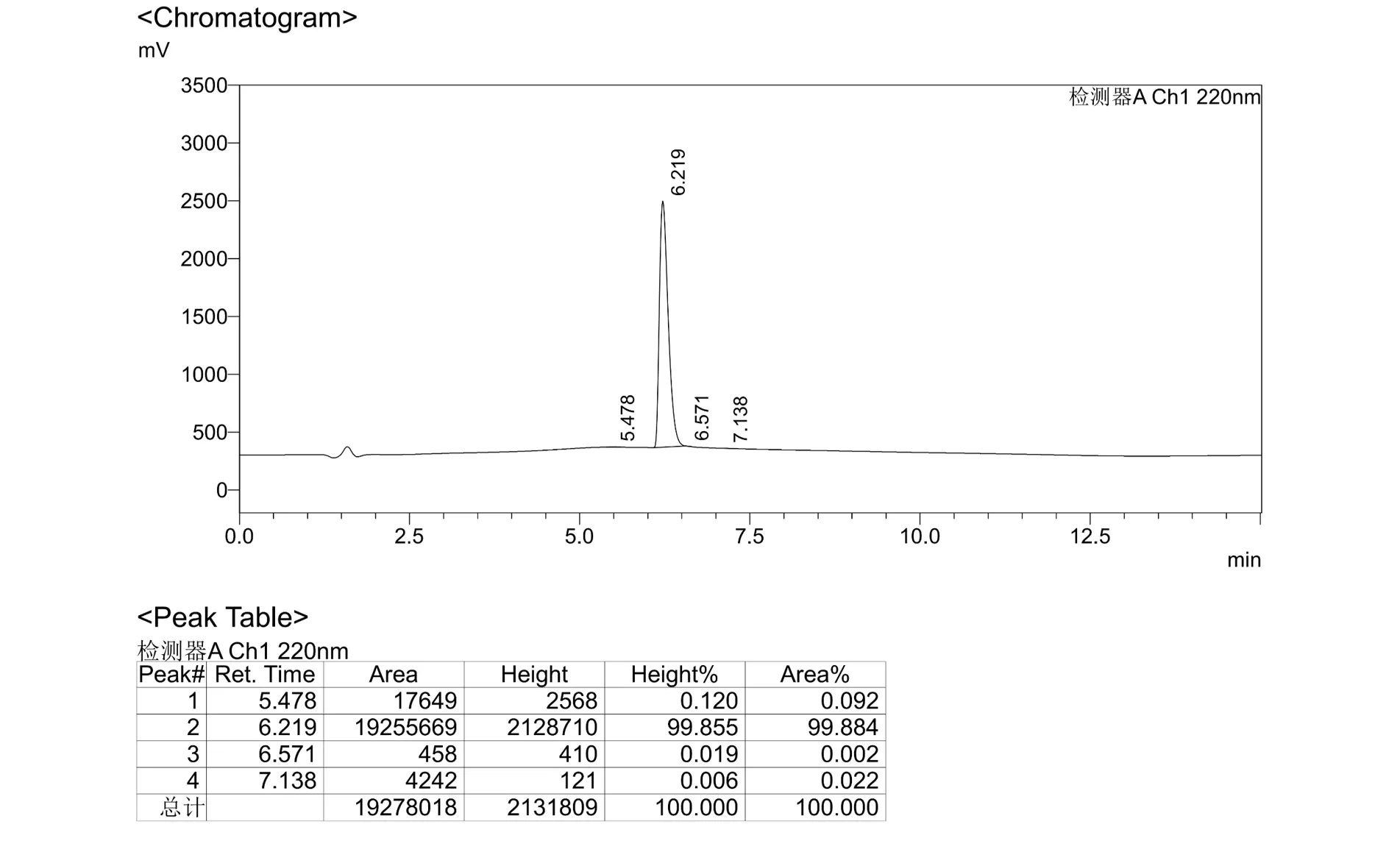
| Purity | ≥ 99.0% |
| Solubility | 30 mg/mL (H2O), >30 mg/mL (PBS: pH 7.2–7.4) |
Product Description
D-Luciferin is a commonly used substrate for luciferase. D-Luciferin potassium is the potassium salt form of D-luciferin and exhibits good water solubility. It can be directly prepared in water or routine buffers without alkaline adjustment, making it suitable for in vitro and in vivo bioluminescence imaging (BLI) and related research applications.
In the presence of ATP and luciferase, D-luciferin is enzymatically oxidized to emit bioluminescence. At saturating D-Luciferin concentrations, luminescence intensity correlates positively with luciferase abundance over a linear range.
Experimental animals, such as mice or rats, can be implanted with cells transfected with luciferase-encoding plasmids. Upon D-Luciferin administration, animals undergo BLI to track bioluminescent signals for real-time evaluation of disease progression and drug response. This assay can also quantify cellular ATP and energy metabolism.
Key Advantages
- Classic in vivo imaging reagent.
- High purity and excellent performance.
- Capable of large-scale production, with single-batch yields up to the kg level.
Applications
- In Vitro Assays: Used for in vitro bioluminescence detection and quantitative determination of luciferase expression levels in biological samples.
- In Vivo Assays: Used for in vivo bioluminescence imaging (BLI) to monitor disease progression and assess drug efficacy in experimental animals in real time.
- Energy Metabolism Analysis: Changes in bioluminescence signals can be used to detect and assess cellular ATP levels and energy metabolism status.
Transportation and Storage
- Ship at ambient temperature.
- Protect from light.
- Powder form: Stable for up to 3 years at −20 °C.
- After reconstitution: Stable for up to 1 year at −80 °C.
Notice
1. To ensure the safety and health of operators, laboratory coats and disposable gloves must be worn throughout the entire experimental procedure.
2. Certain technical information provided with this product is intended for customer reference, academic communication, and scientific research purposes only. Our company does not warrant the absolute authority or completeness of the information provided.
3. This product is for research use only. It is strictly prohibited for use in clinical diagnosis, treatment, food, pharmaceuticals, or any other applications involving human use. Do not store this product in ordinary residential premises.
Technical Data
Data
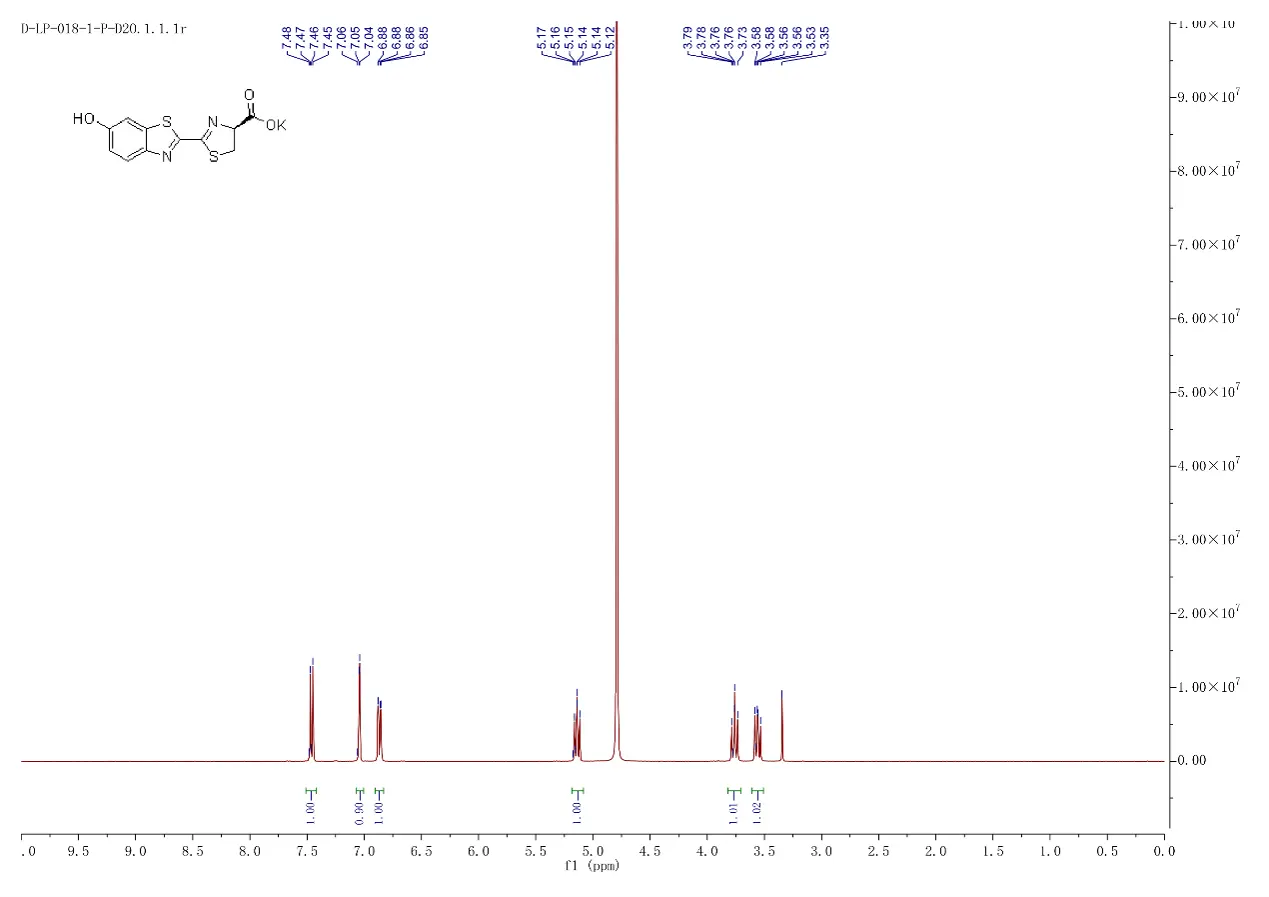
HNMR
HPLC
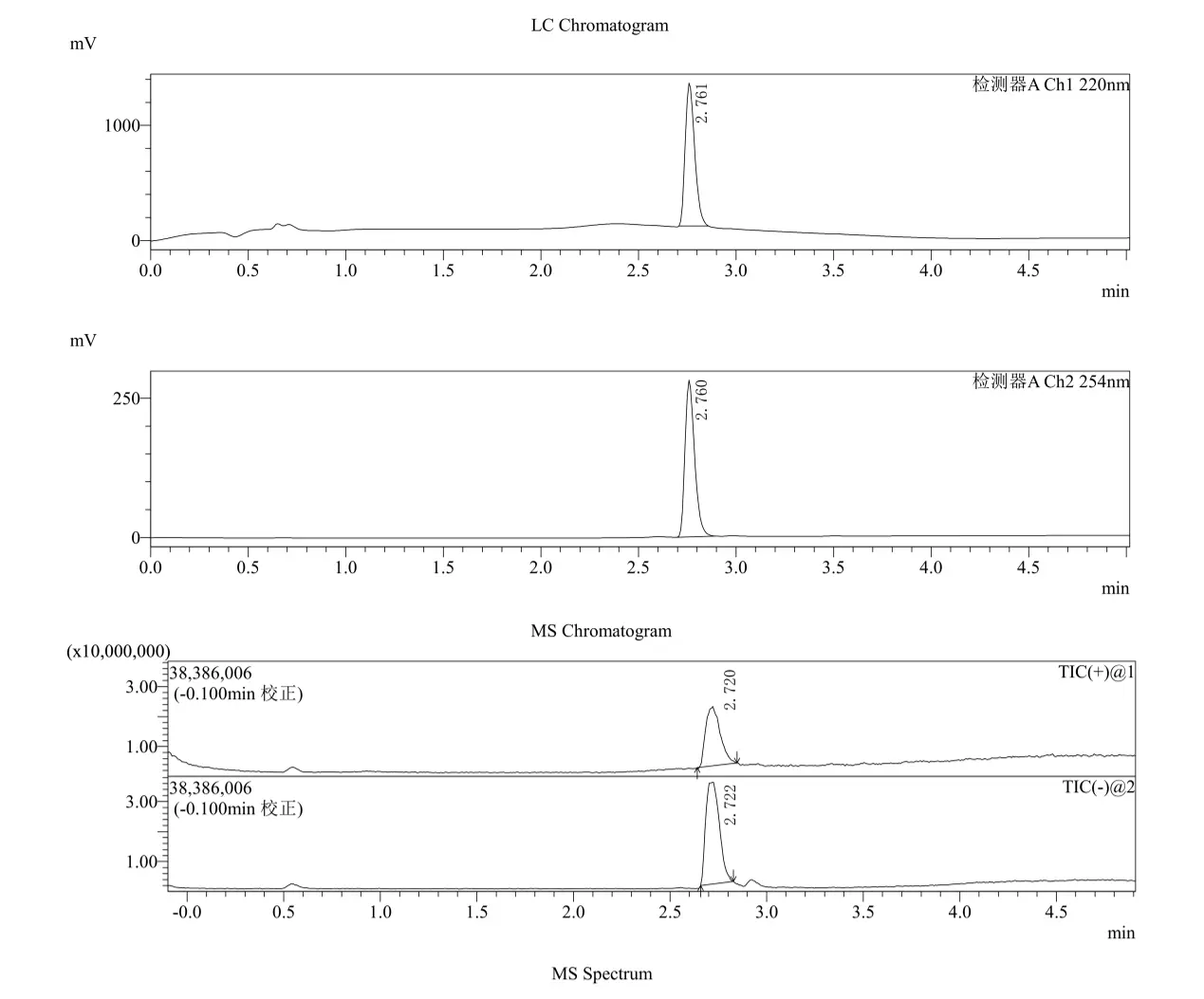
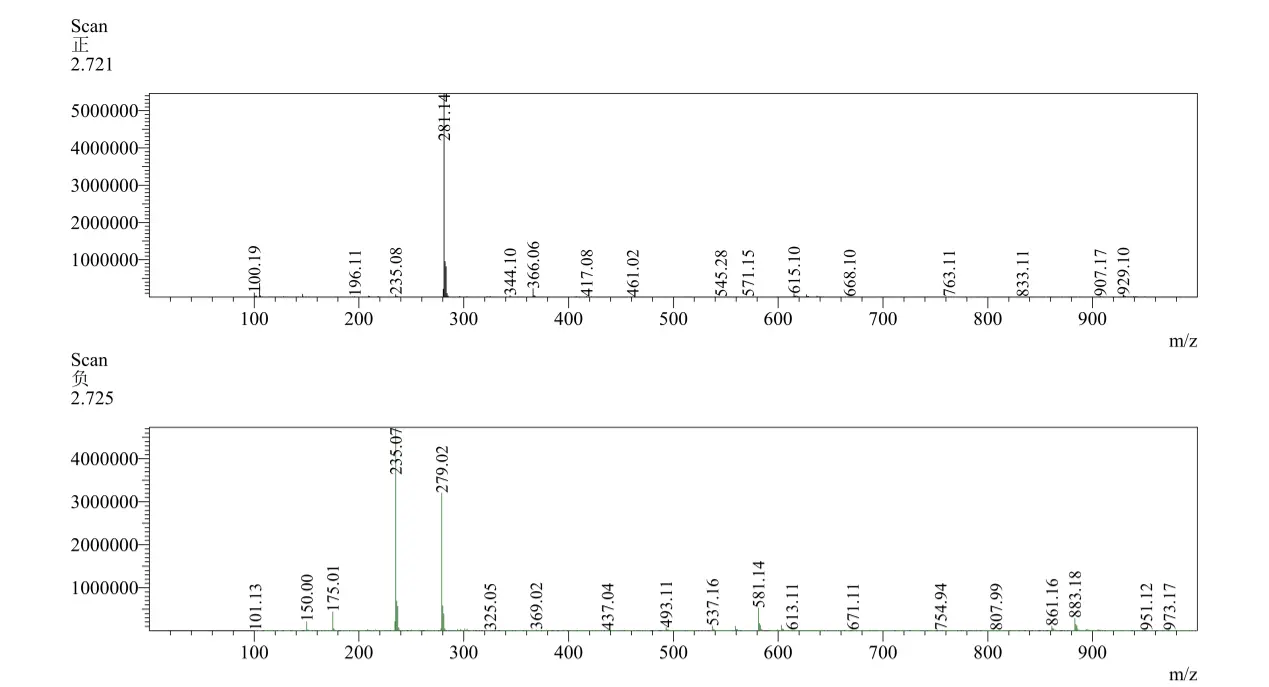
LC-MS
Bioluminescence Activity Assay
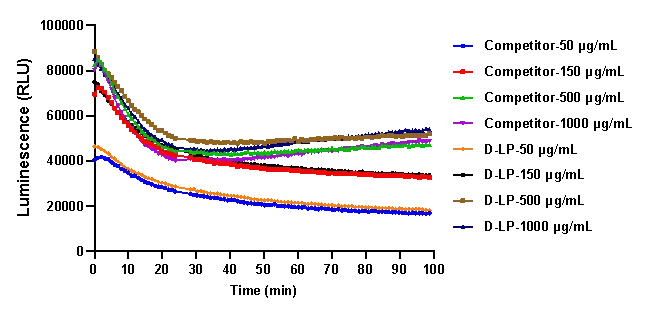
The bioluminescence signal of the MA0509 plasmid-transfected HEK293 cells was measured by a microplate reader after adding a D-luciferin potassium salt working solution at different concentrations. The luminescence intensity was recorded at each time point for a total of 100 readings.
- At the same concentration, the bioluminescence signal is detectable right after substrate addition.
- The product exhibits bioluminescence profiles comparable to the reference product, with equivalent molecular bioactivity.
For laboratory use only. Not sold in patent-protected regions.