
Membrane Protein Services
Dedicated to membrane protein research, empowering drug discovery
Membrane proteins—including G protein-coupled receptors (GPCRs), ion channels, and transporters—represent one of the most important classes of drug targets, playing pivotal roles in cell signaling, substance transport, and the pathogenesis and progression of diseases.
However, as membrane proteins naturally reside within a lipid bilayer environment—characterized by difficulties in expression, poor stability, complex purification, and challenging structural elucidation—researching them has long posed a significant challenge in the fields of structural biology and drug discovery.
TECHNOLOGY PLATFORM
Distolife has established an integrated technology platform tailored to the needs of membrane protein drug R&D. Covering membrane protein expression, purification, stability optimization, reconstitution in native-like environments, functional validation, and structural analysis support, the platform delivers professional, efficient, and reliable membrane protein solutions to research institutions, biopharmaceutical companies, and drug development teams.
Membrane Protein Technology Workflow
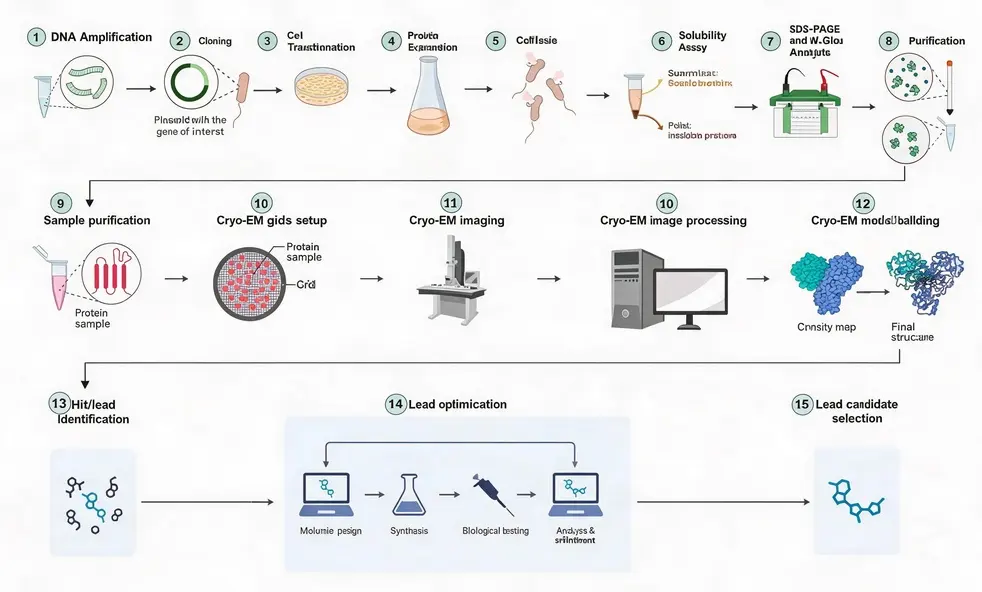
Full-Spectrum Membrane Protein Target Capabilities
GPCRs
Metabolism / Obesity / Diabetes
- GCGR
- GLP-1R
- GIPR
- MC4R
- GPRC5D
CNS / Psychiatric Disorders
- S1P1
- S1P5
- GPR52
- A2AR
- NTSR1
- DRD family
- 5-HT receptor family
- mGluR family
Reproductive / Endocrine
- TAC3 / NK3R
- SSTR2
Pain / Inflammation / Immunity
- FPR2 / ALX
- CXCR4
- CCR4
- CXCR / CCR family
Cardiovascular · Tumor Immunology
- ADR family
- AT1R
- other tumor GPCRs
Ion Channels
- P2X3 — ATP-gated; chronic cough, pain
- TRPV4 — vanilloid 4; pain, inflammation, sensory nerves
- TRPV family — pain, temperature sensation, sensory nerves
- P2X family — ATP-gated ion channels
Applications: Pain · Neurological · Respiratory · Genetic disorders · Metabolic diseases
Transporters
Neurotransmitter Transporters
- DAT / SLC6A3
- SERT / SLC6A4
- NET / SLC6A2
ABC and Other Key Membrane Transporters
- CFTR / ABCC7
- other ABC family
- SLC family
- ion transporters
- metabolite transporters
Used for inhibitor / modulator screening, structural biology and drug discovery
Cosmetics · Dermatology
Skin Sensation & Perception
TRP family: TRPV · TRPA · TRPM; OR family: OR51E2 etc.
Pigmentation & Skin Homeostasis
Melanogenesis / pigmentation-related membrane proteins
Cosmetic Efficacy Evaluation
For efficacy evaluation, sensory pathways and pigmentation research
Custom Development Service Chain
Covering GPCRs · ion channels · transporters and other multi-pass membrane proteins
Deliverables
- 01 Protein Samples
- 02 Functional Validation Data
- 03 Nanodisc / VLP Samples
- 04 Cryo-EM Structural Data
Delivering protein samples, functional data and Cryo-EM structures to support structure-based drug design.
Service Highlights
Specialized Membrane Protein Technical Capabilities
Focusing on the field of membrane proteins—characterized by high technical barriers—we have established a comprehensive technical system covering expression, purification, stabilization, functional validation, and structural research support.
End-to-End Solution
We go beyond offering individual experimental services to focus on the full-lifecycle needs of client projects, helping to overcome critical technical bottlenecks in membrane protein R&D.
Targeted at Drug R&D Applications
Guided by the client's R&D objectives, we translate our membrane protein technology capabilities into vital tools that support the development of innovative drugs.
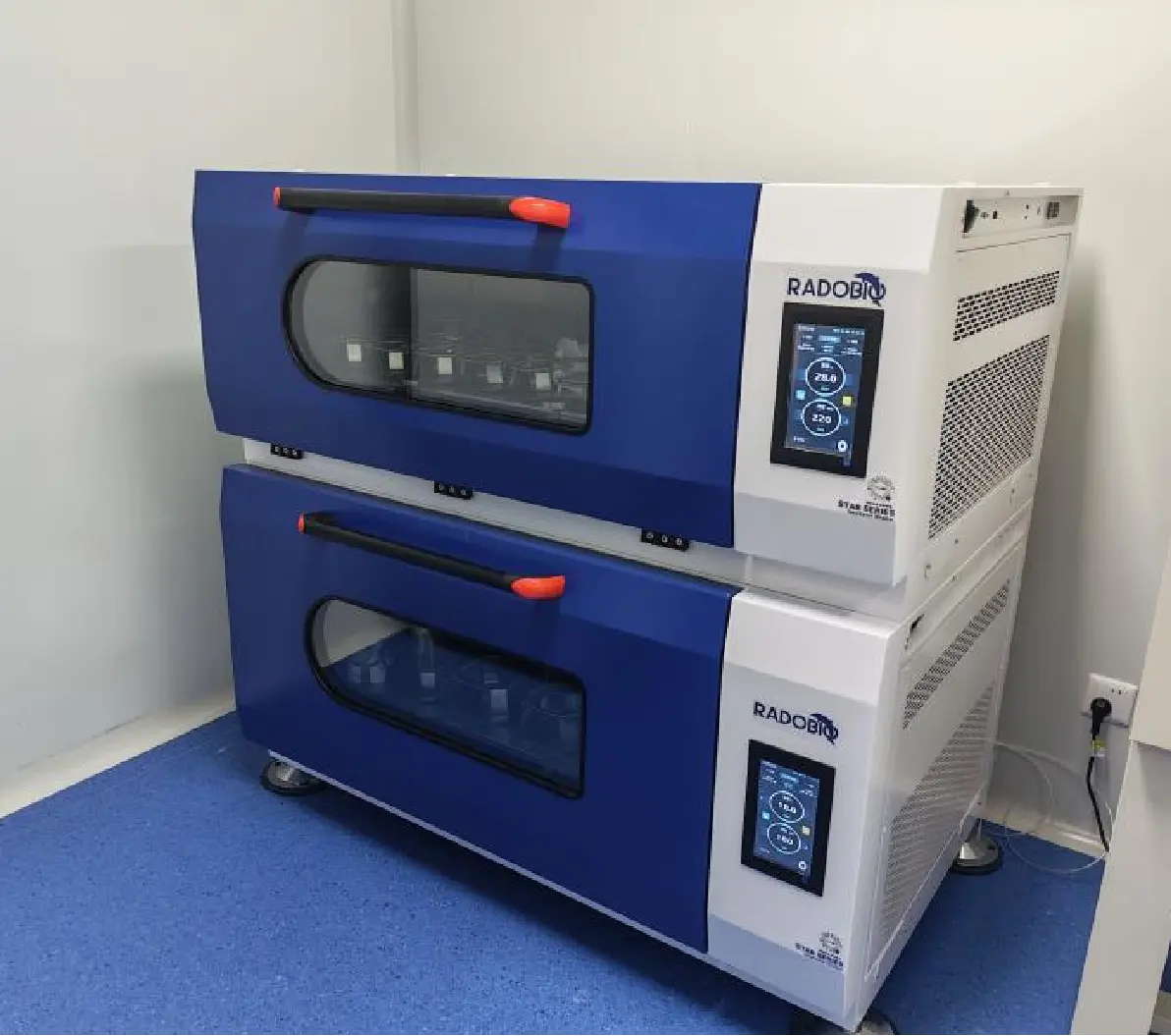
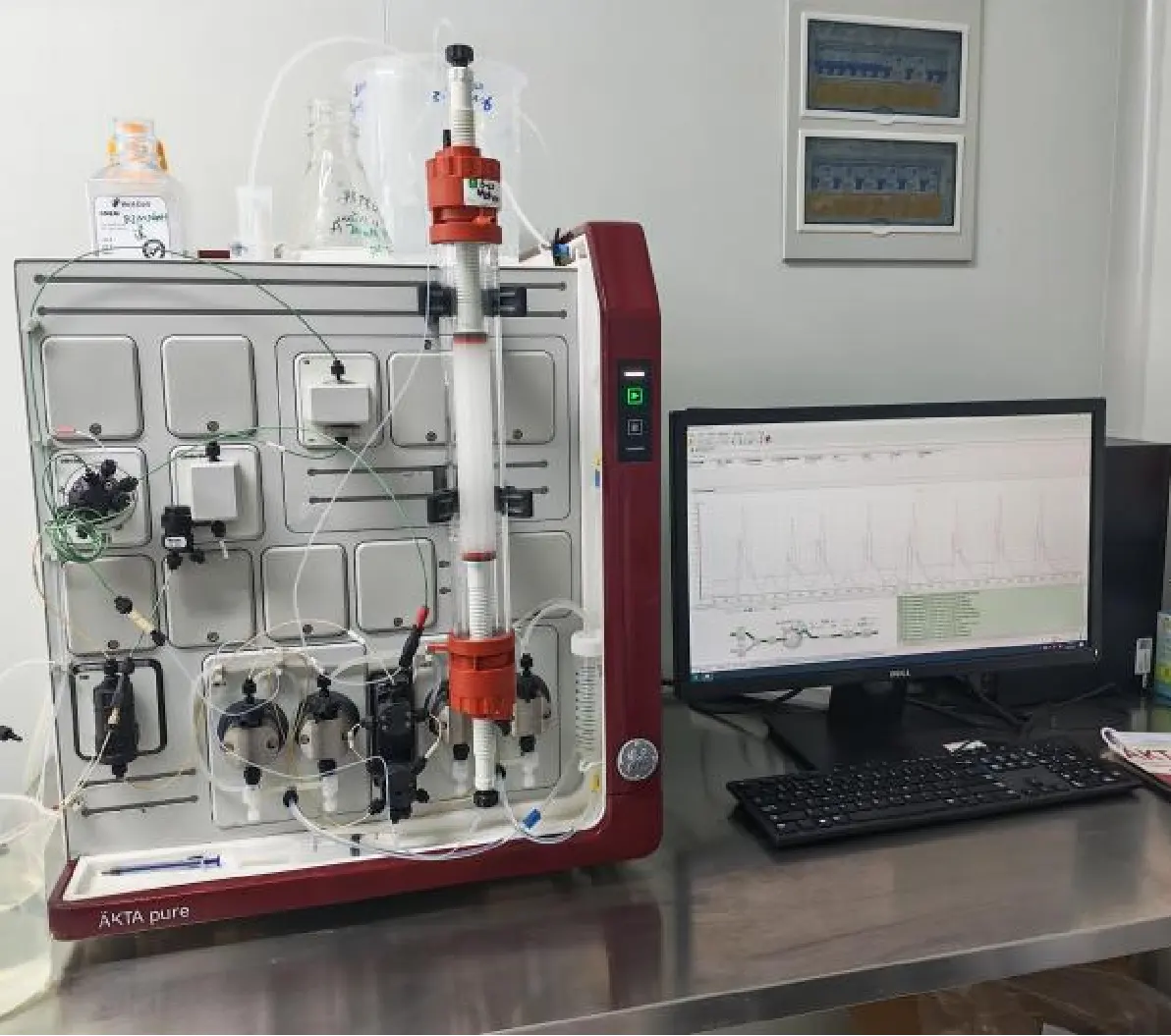
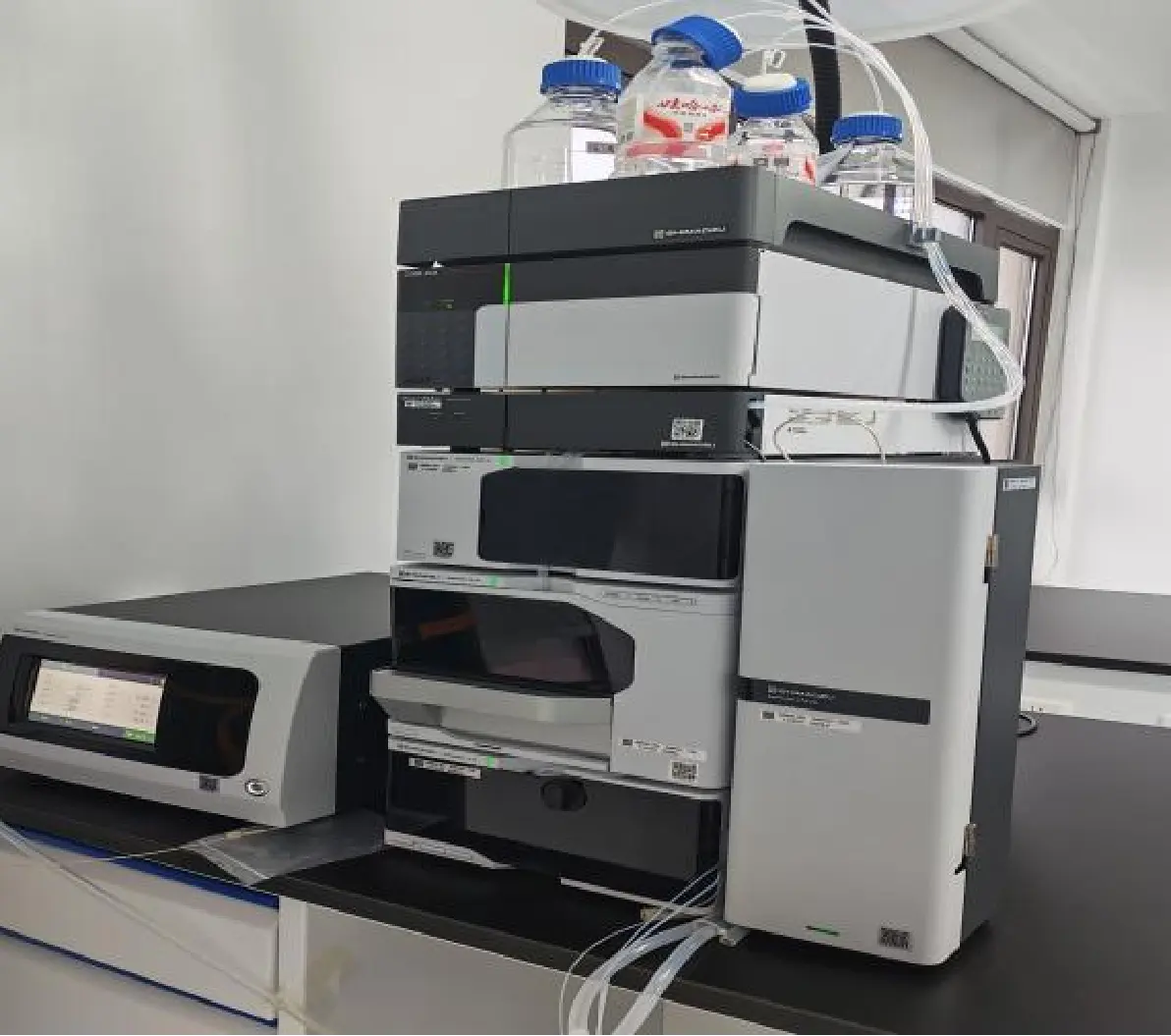
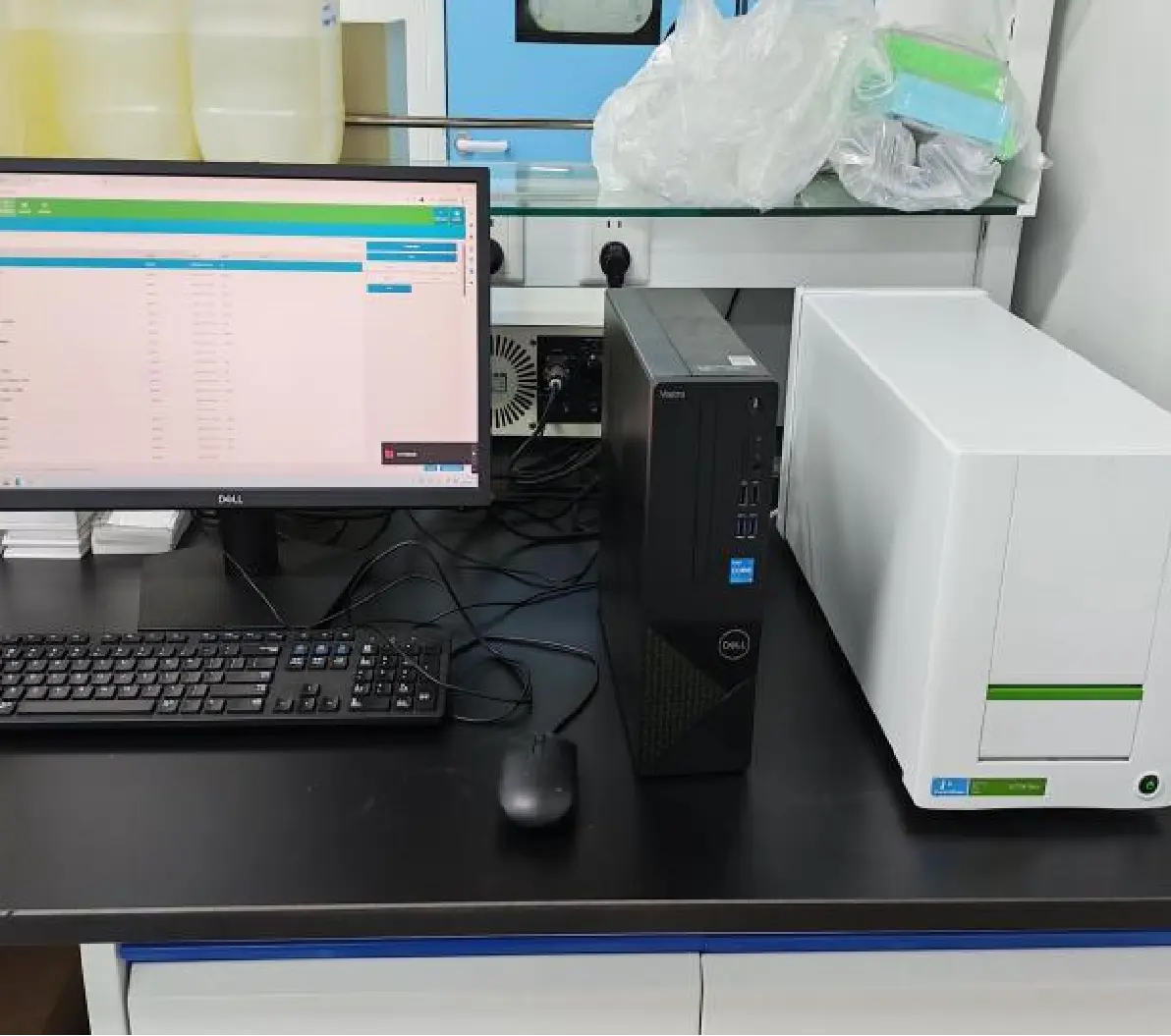
Facilities Introduction
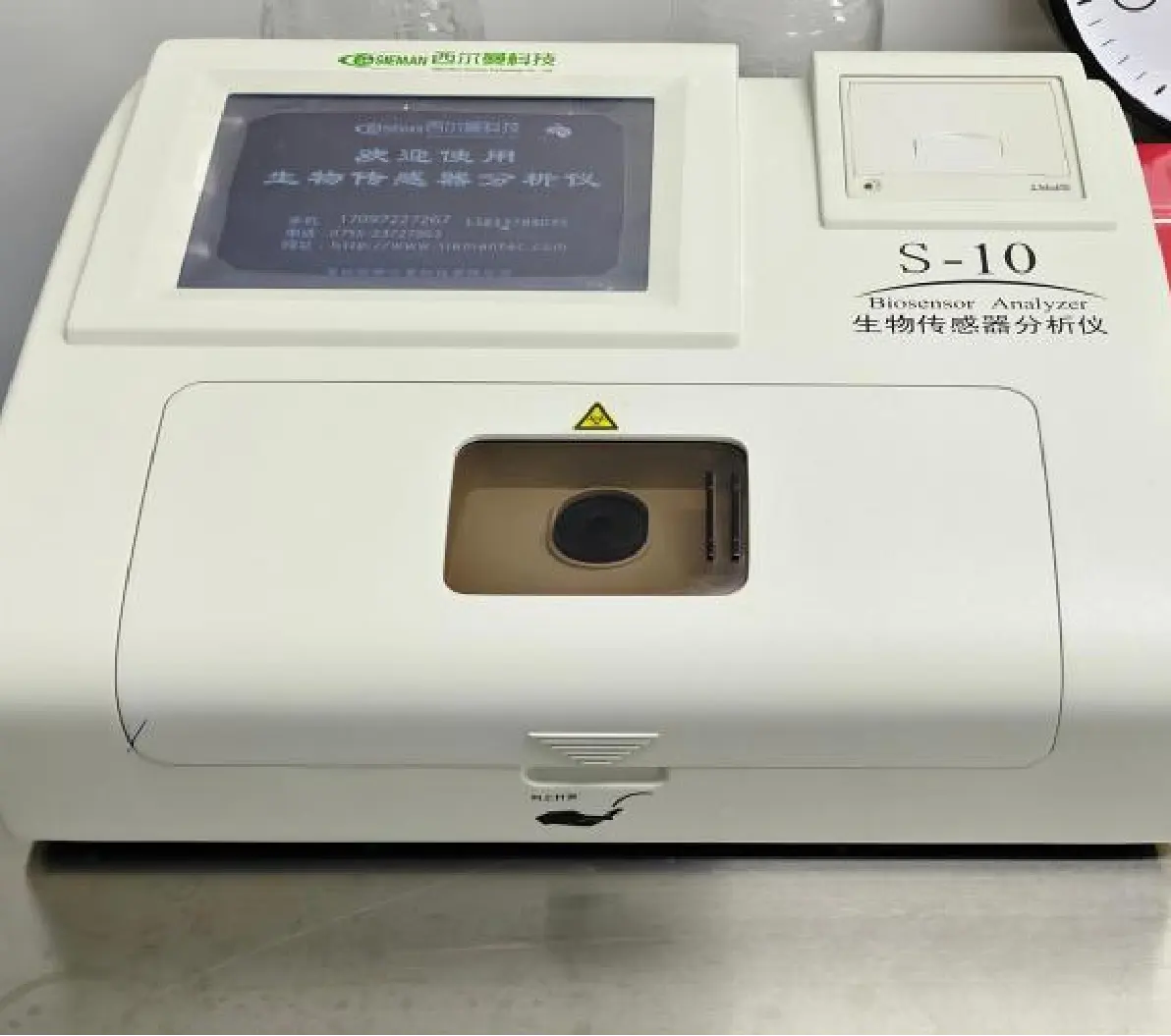
The platform is equipped with multiple world-class instruments, covering key technological stages across the entire membrane protein CRO workflow, thereby ensuring the accuracy of experimental data and the stability and reprehensibility of production processes.
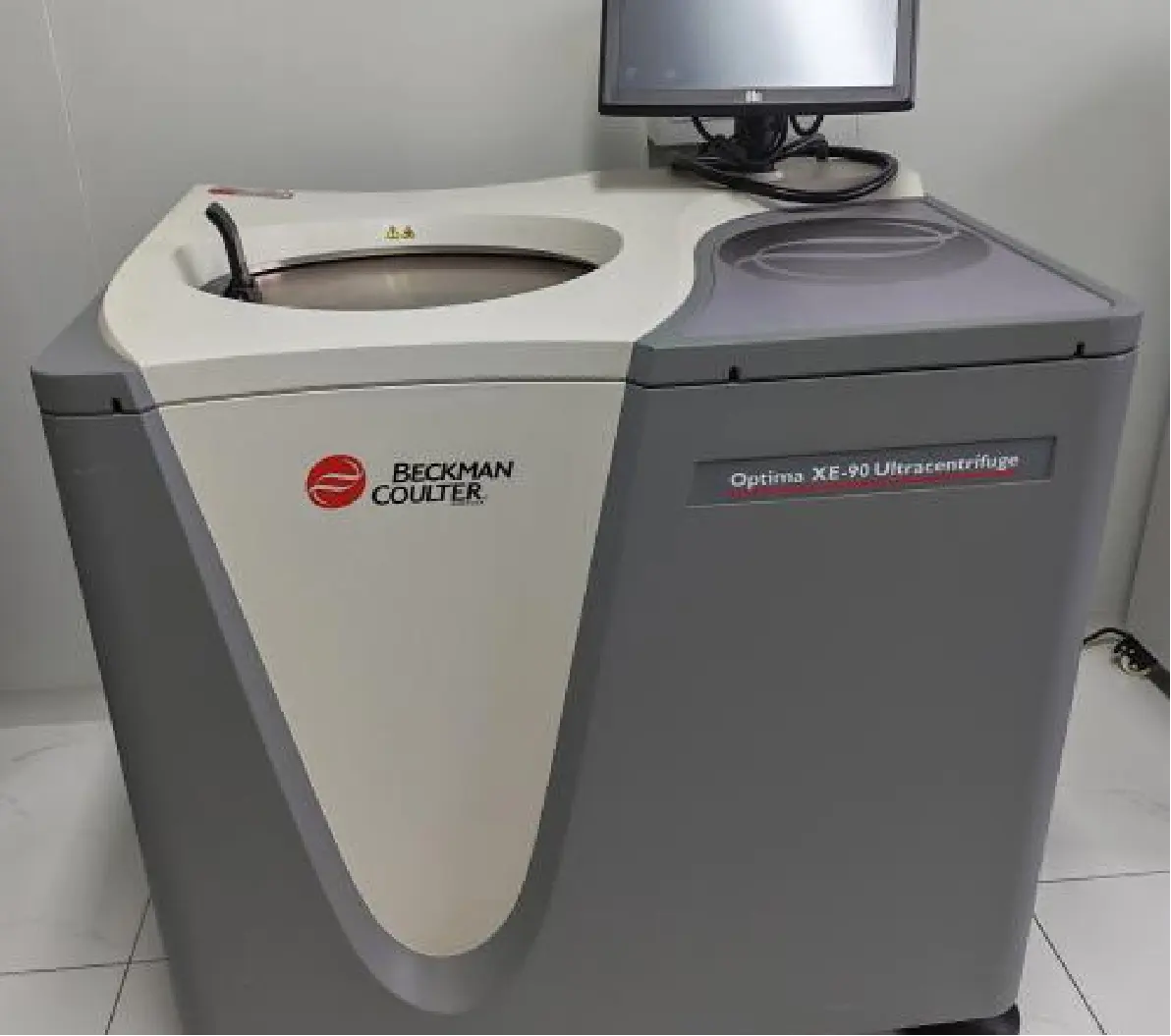
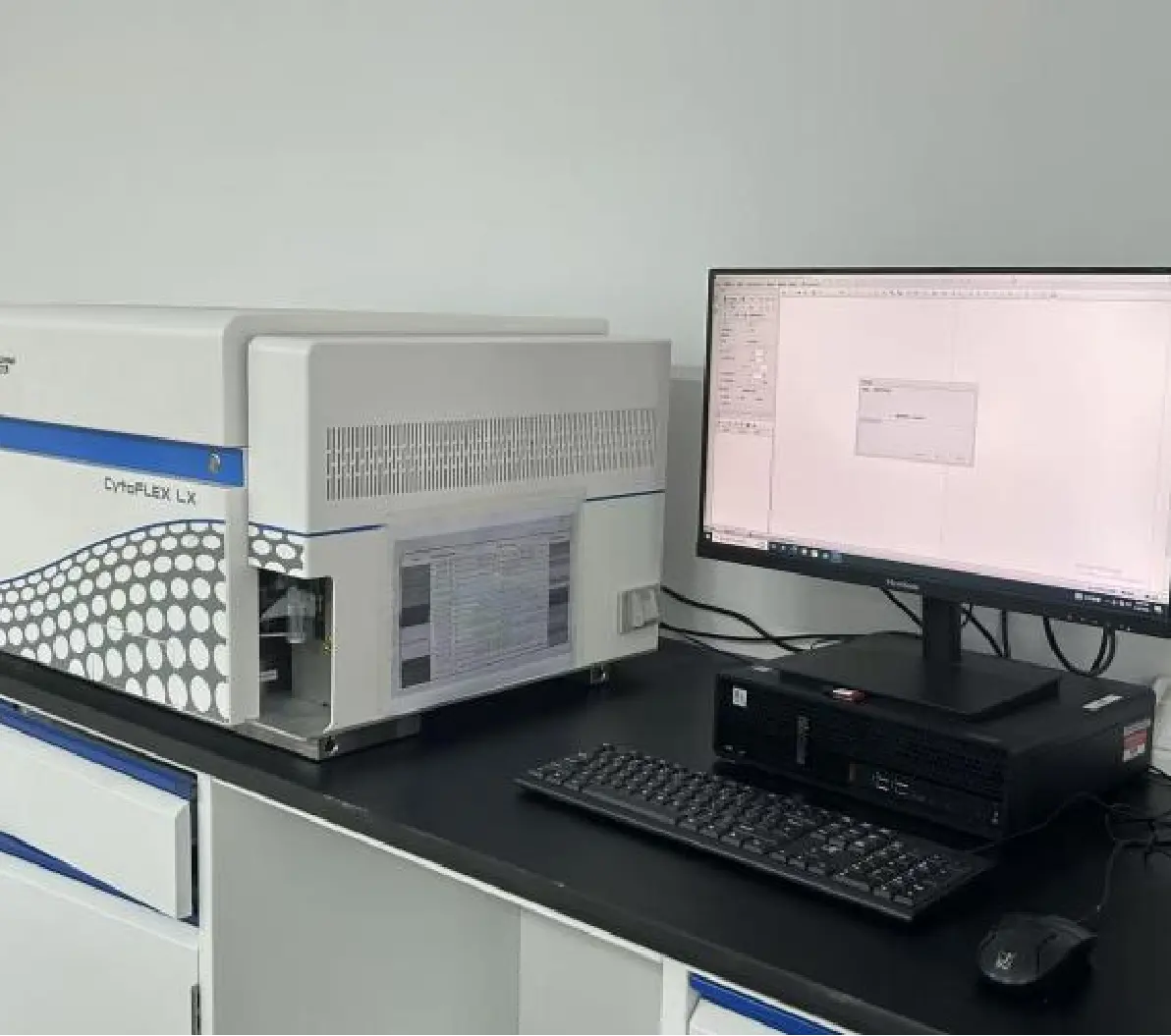
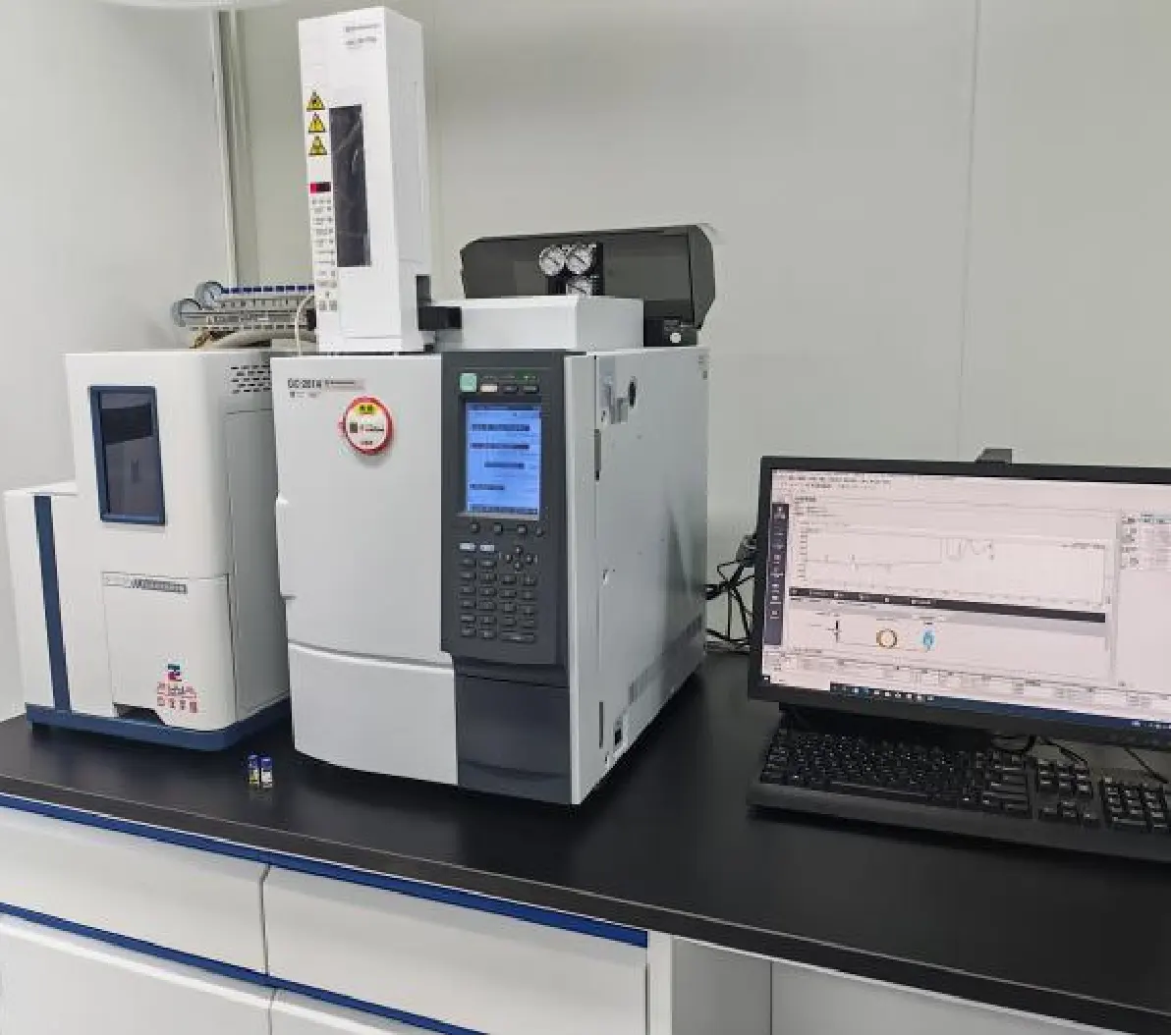
Case Study
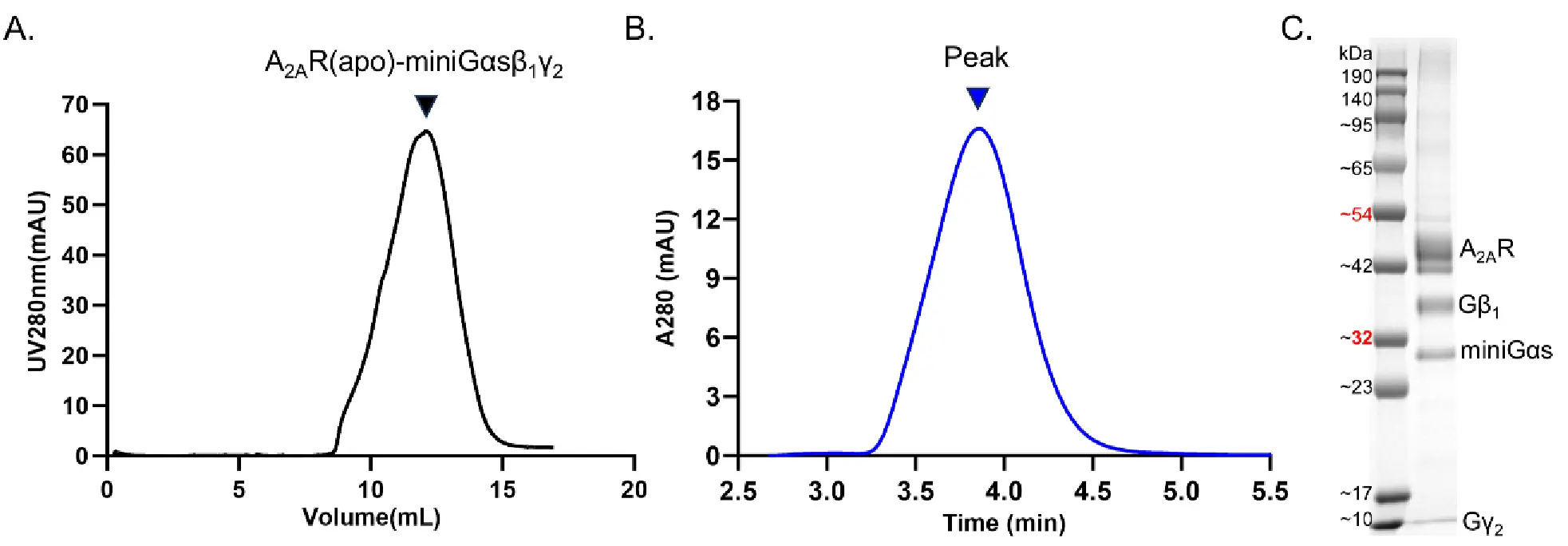
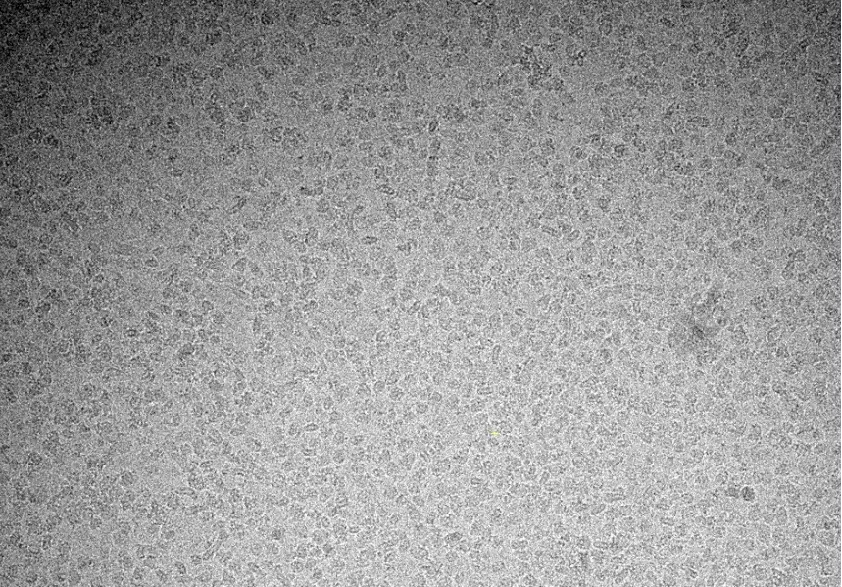
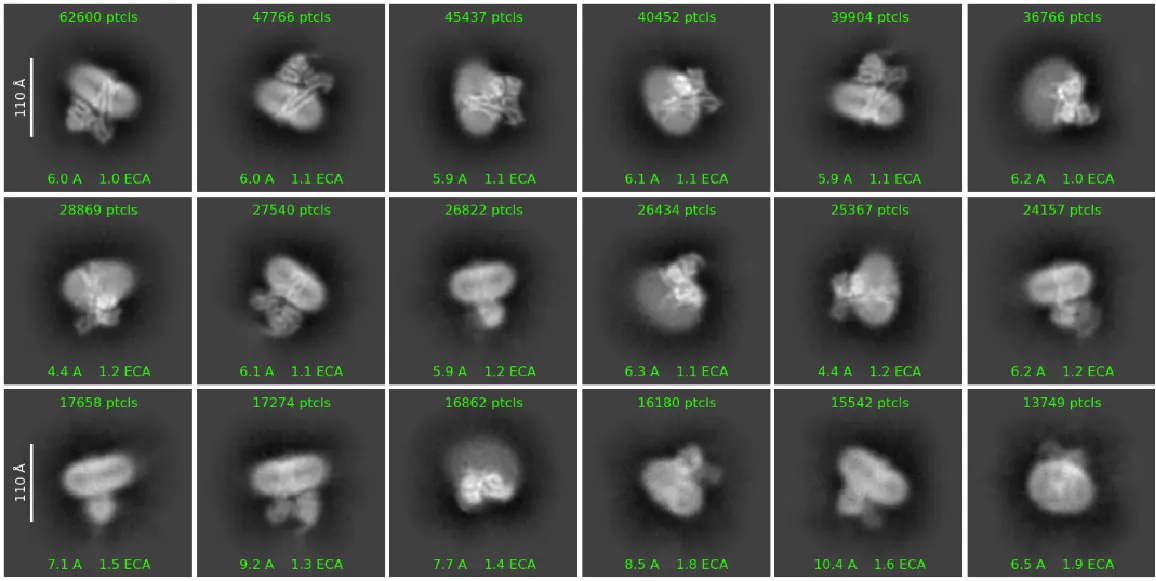
Case 1: Cryo-EM Structure of A2AR-Gs Complex
Introduction:
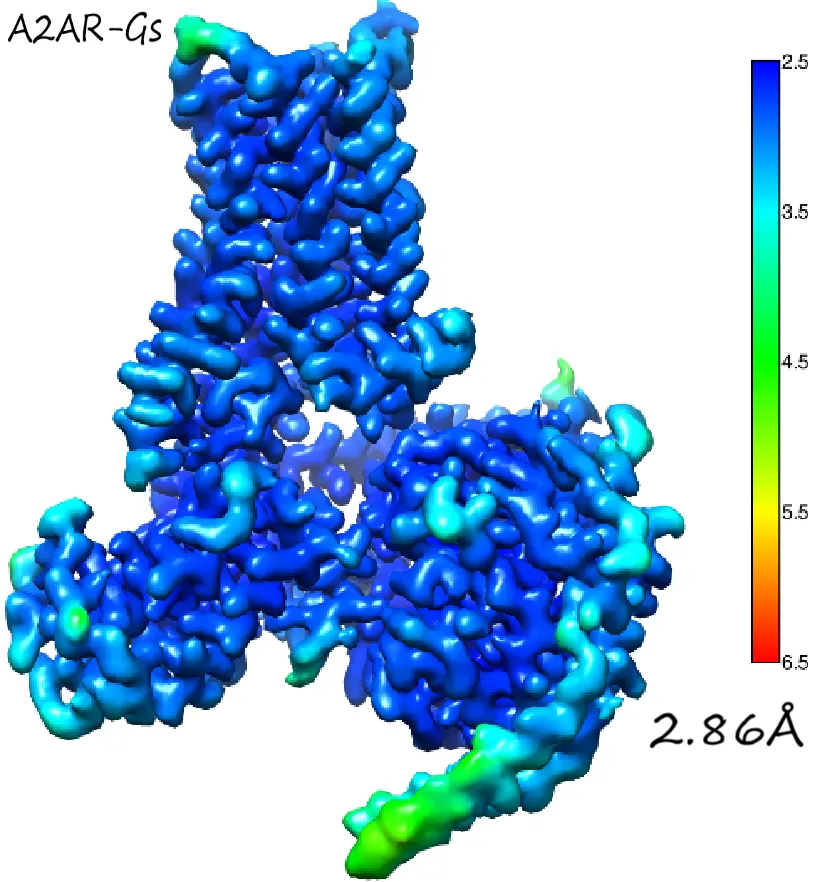
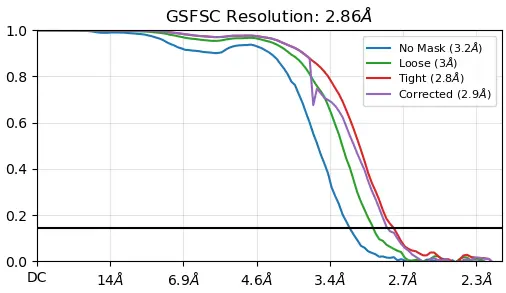
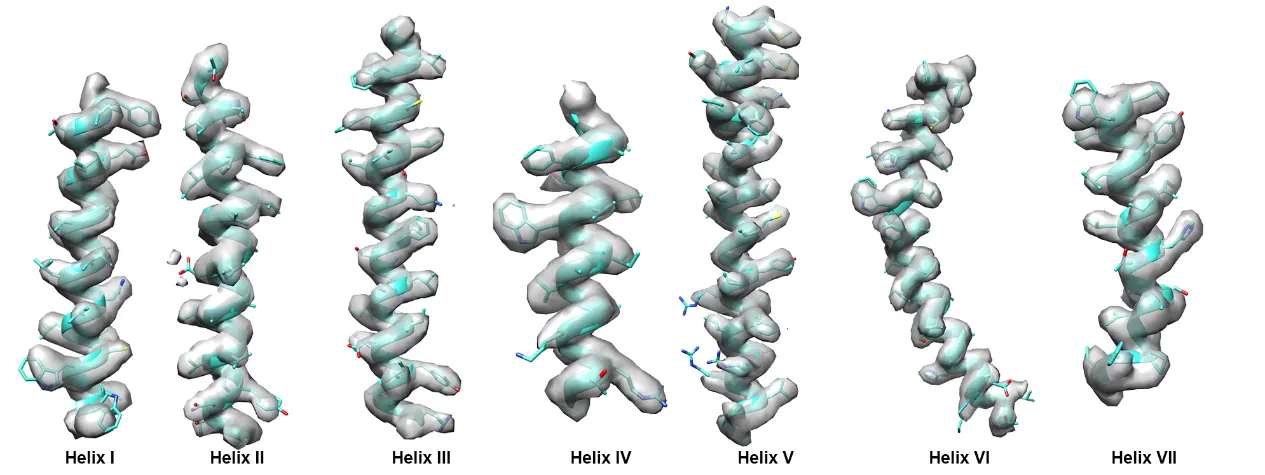
Distolife membrane protein R&D team purified the target membrane protein—the A_2AR−Gscomplex—using a detergent and phospholipid system. Through cryo-EM structural determination, they solved the 3D protein structure at a resolution of 2.86 Å. This structure shows high consistency with previously published literature while achieving superior resolution.
Case 2: Cryo-EM Structure of GCGR-Gs Complex
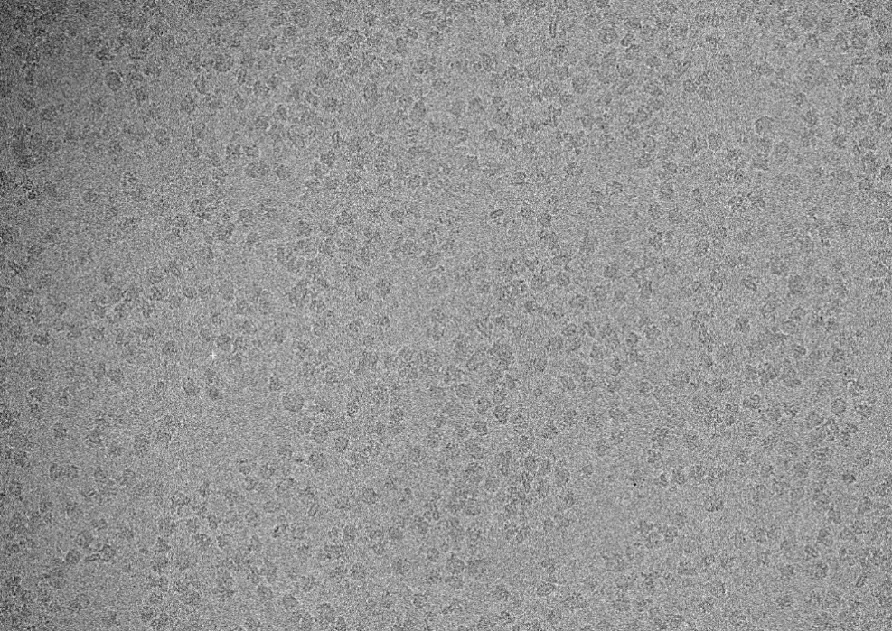
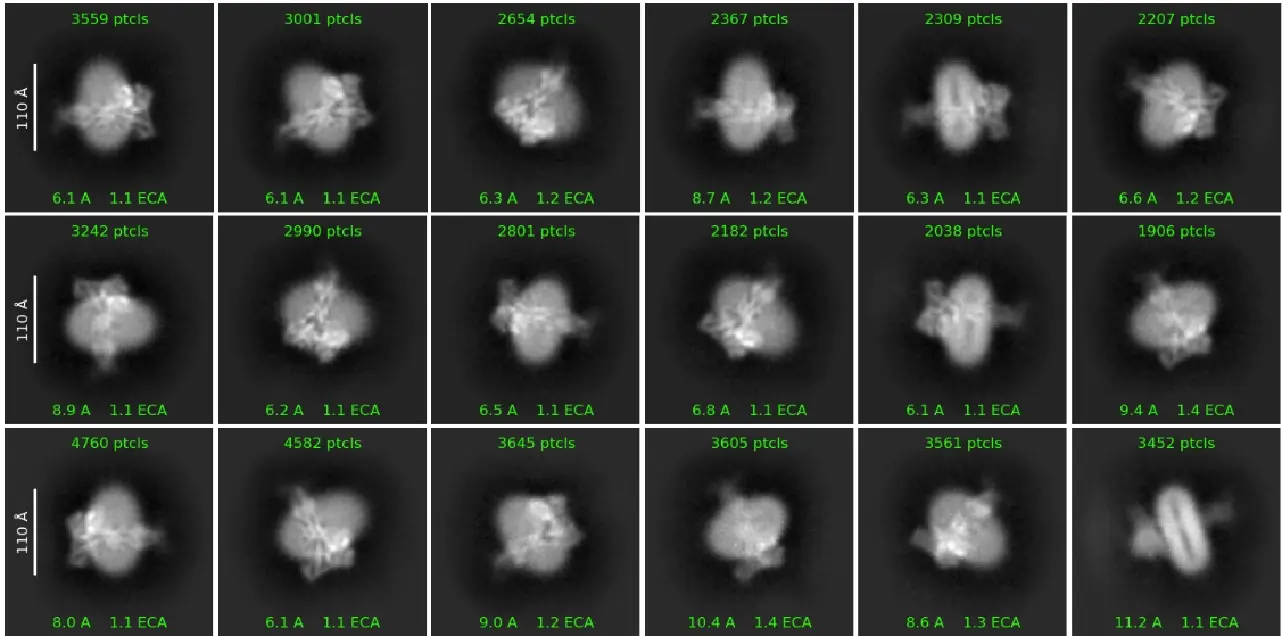
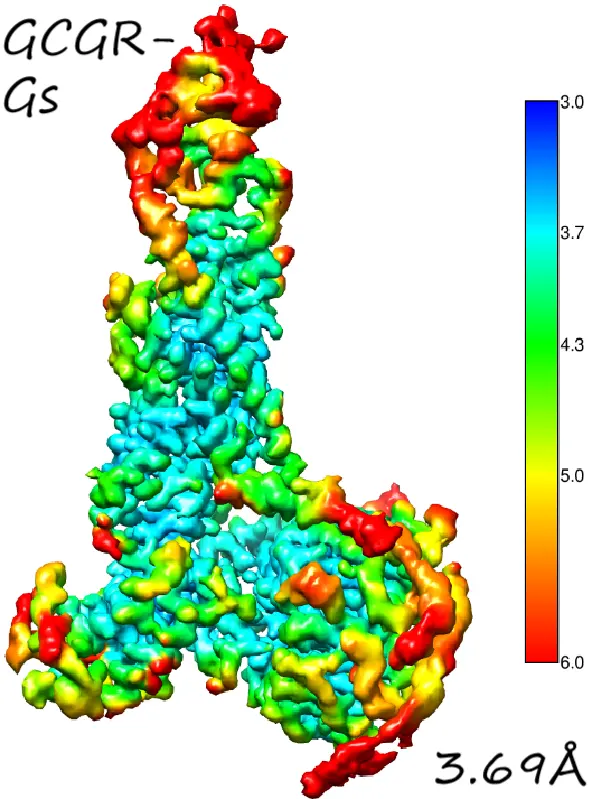
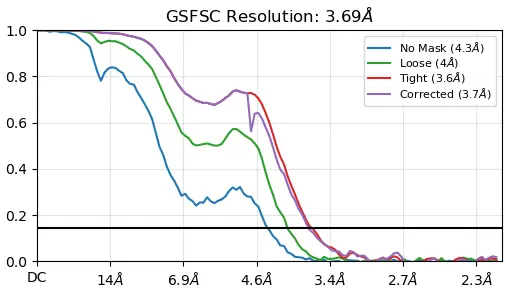
Introduction:
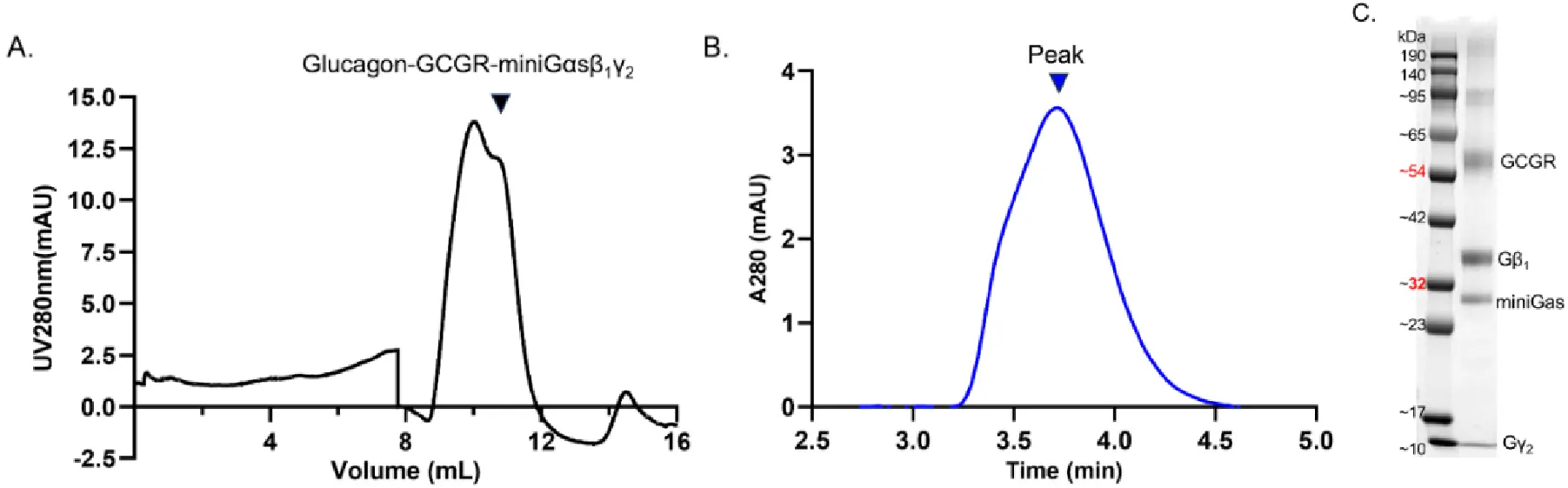
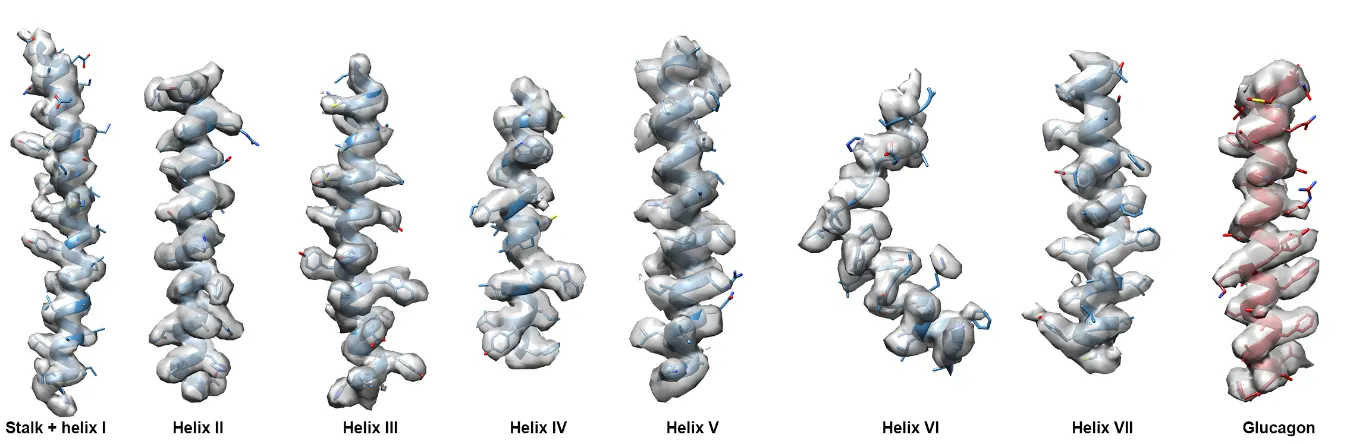
Distolife membrane protein R&D team purified the target membrane protein—the GCGR-Gs complex—using the LMNG and CHS system. Through cryo-EM structural determination, they resolved the 3D protein structure at a resolution of 3.69 Å. This structure shows high consistency with previously published literature while achieving superior resolution with a smaller dataset.
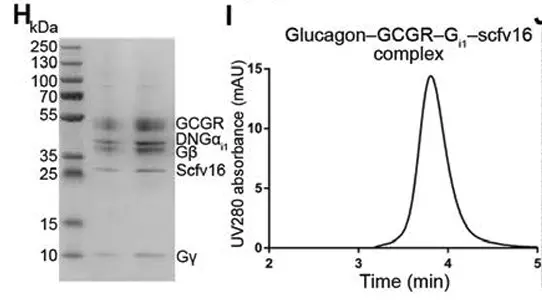
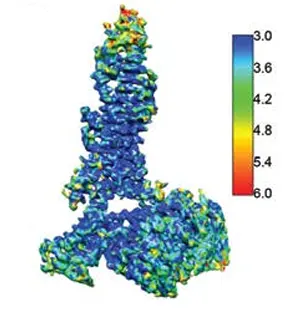
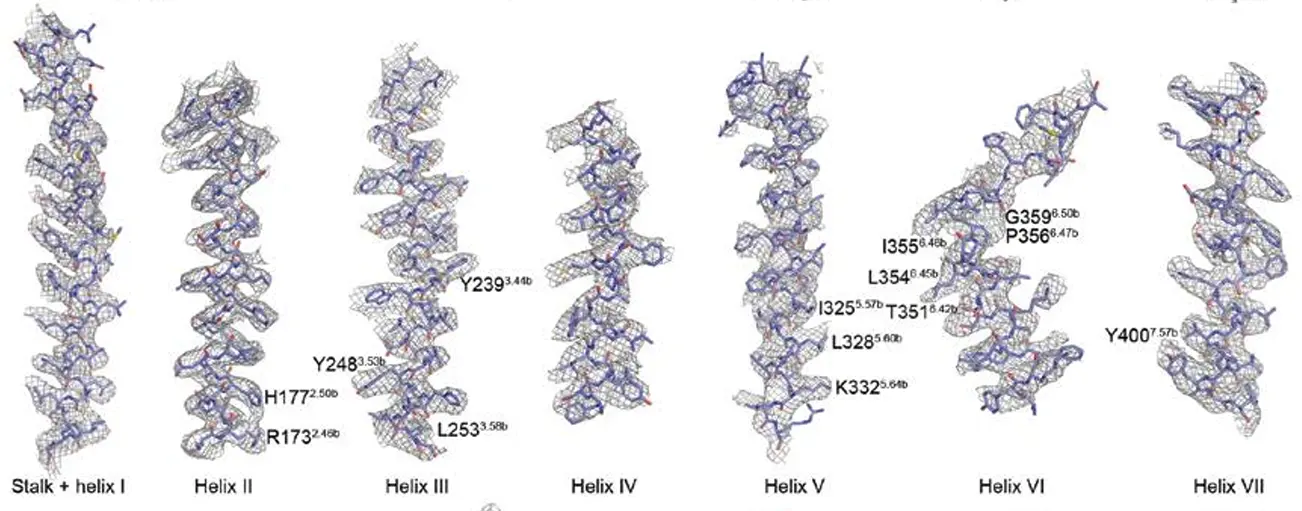
Case 3: Cryo-EM Structural Analysis of GCGR-Gs and GCGR-Gi1 Complexes
Introduction:
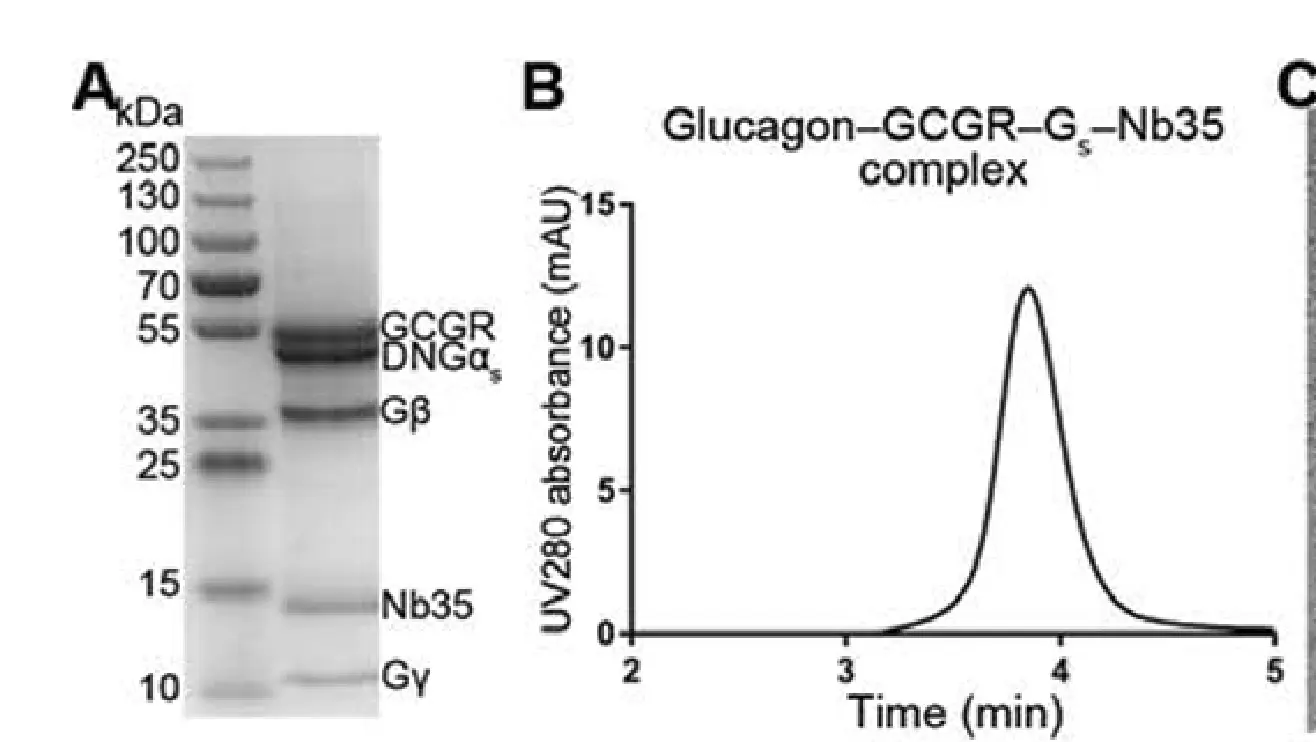
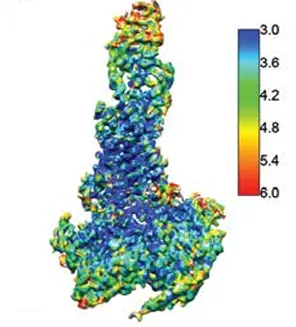
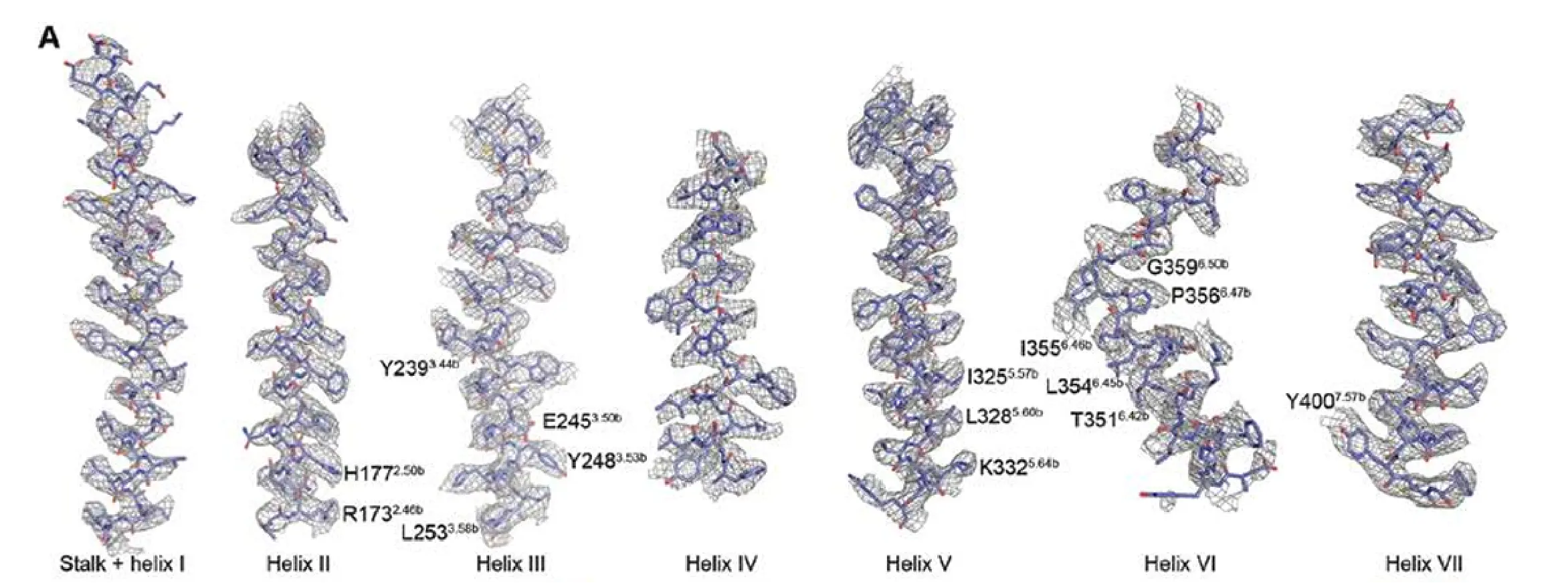
The Chief Scientific Officer of the Distolife team used cryo-EM to resolve, for the first time, the complex structures of a Class B GPCR—the human glucagon receptor (GCGR)—bound to Gs and Gi1, respectively (3.7/3.9 Å). Combined with NanoBiT, mutation, and signaling assays, the study revealed that the receptor accommodates both G proteins using a common open pocket: Gs achieves biased coupling through a larger interface (802 vs 551 Ų), whereas differences in intracellular loops ICL1/ICL2 dictate selectivity. This revises the traditional model that "pocket size determines specificity," laying a structural foundation for biased drug design.
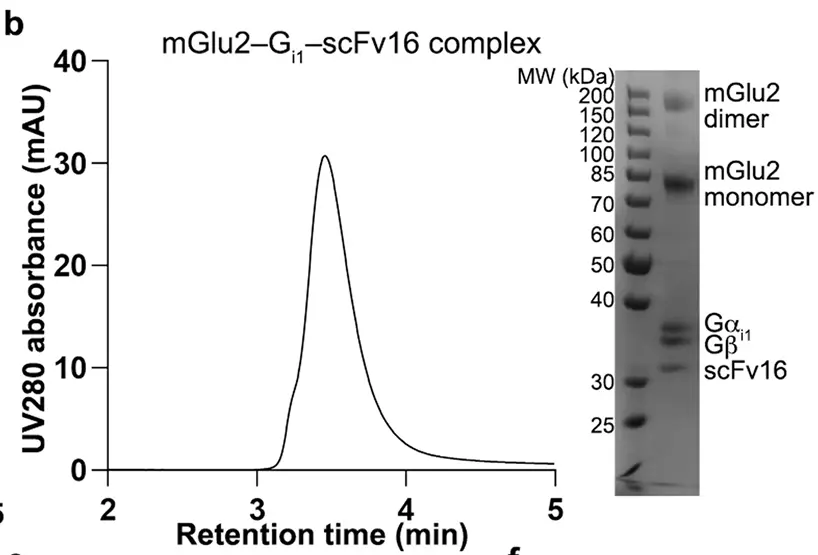
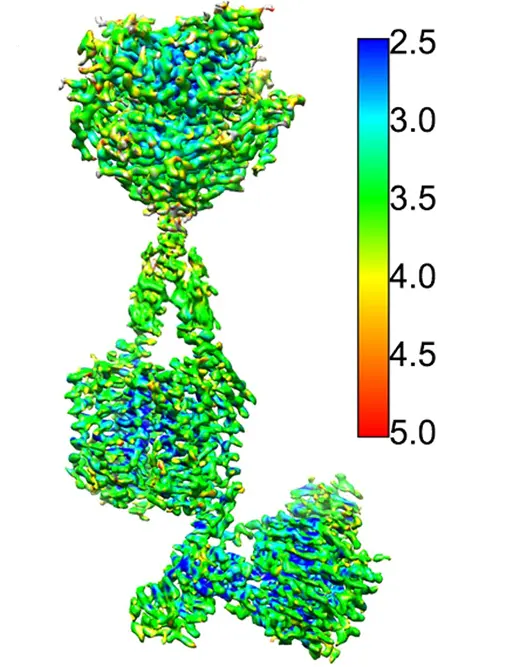
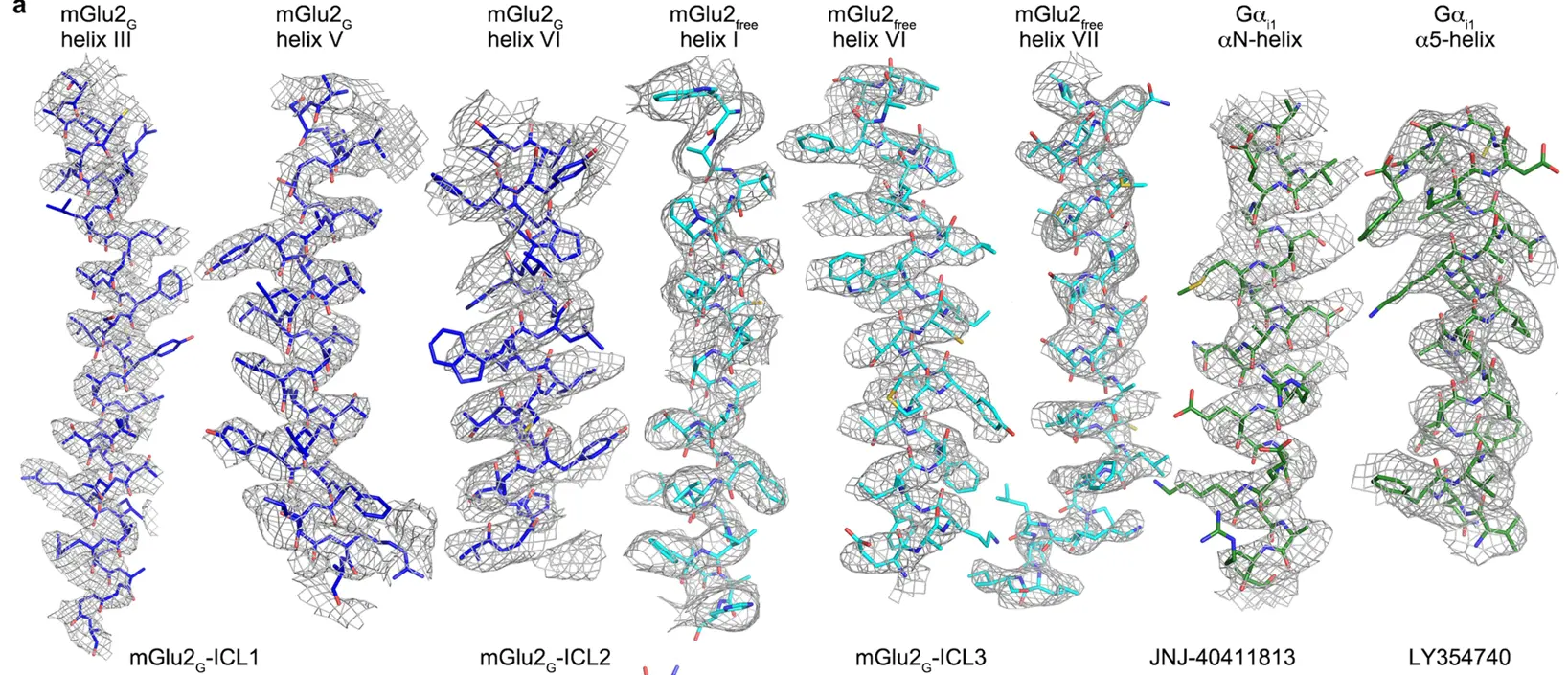
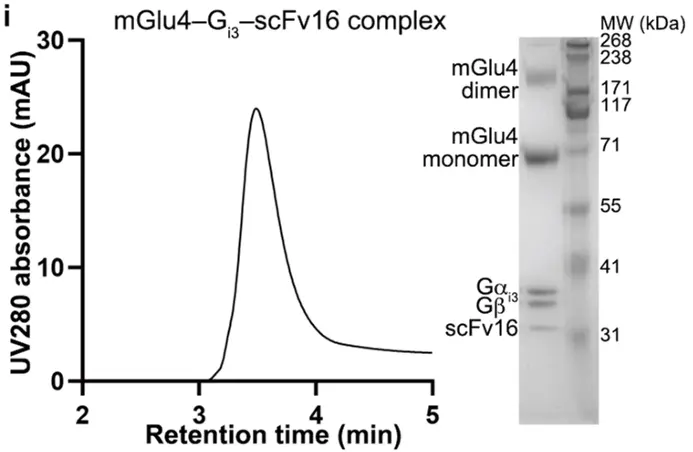
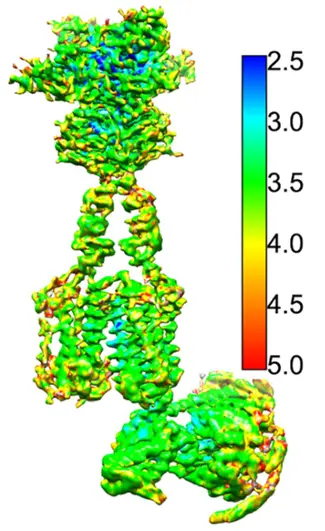
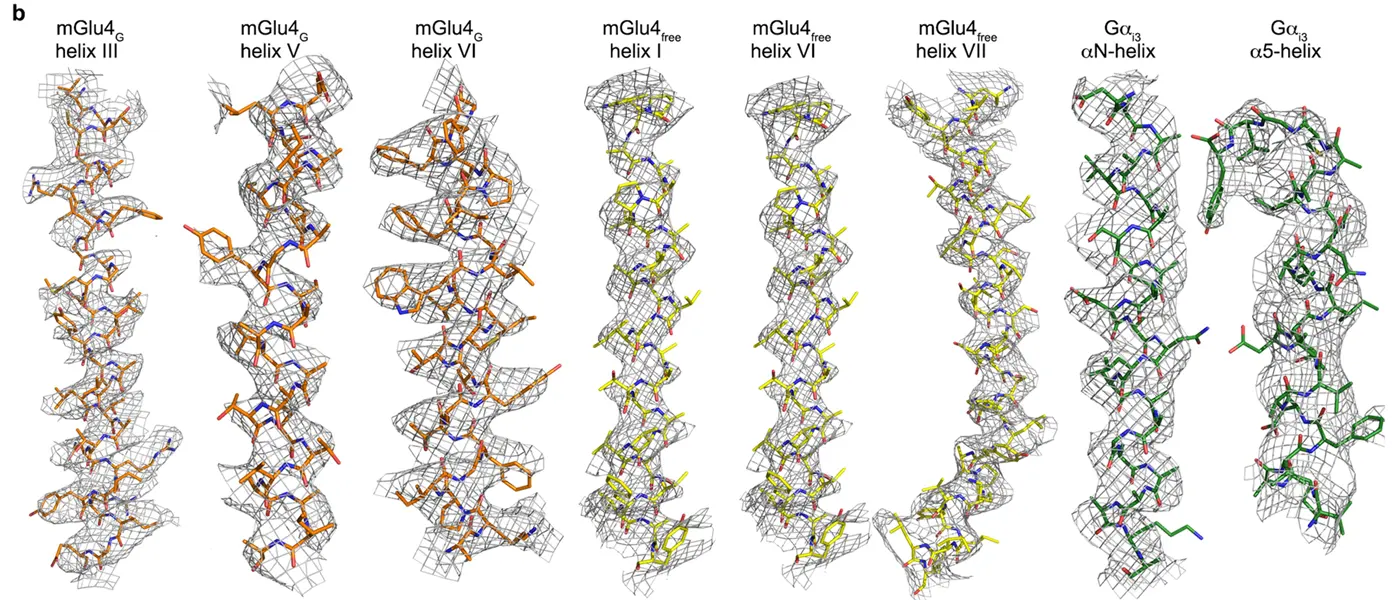
Case 4: Cryo-EM Structural Analysis of mGlu2–Gi1 and mGlu4–Gi3 Complexes
Introduction :
The Chief Scientific Officer of the Distolife team used cryo-EM to resolve, for the first time, the fully active complex structures of Class C GPCRs—human mGlu2 and mGlu4 bound to Gi proteins (3.1−4.0Å. Combined with mutagenesis, NanoBiT, and cysteine cross-linking assays, the study revealed that TM6 does not shift outward upon mGlu activation, and the α5C-terminus of Gαibinds to a shallow groove formed by three intracellular loops together with helix III/IV. Furthermore, it demonstrated at atomic resolution for the first time that the asymmetric dimer interface serves as the structural basis for "only one receptor subunit coupling to a G protein," deepening the understanding of GPCR activation.
Case 5: Crystal Structure Determination of Y1R in Complex with Selective Antagonists
Introduction :
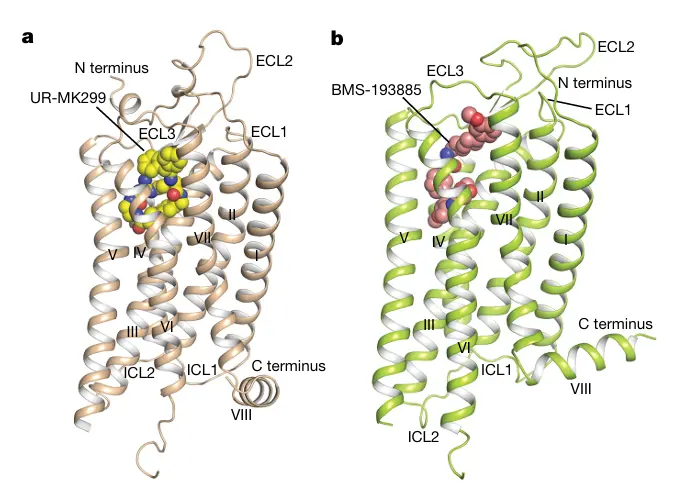
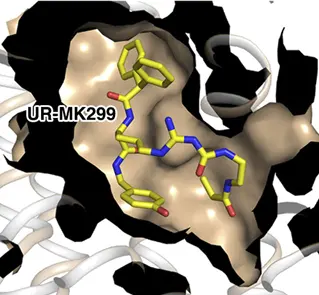
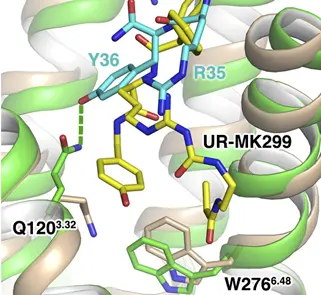
The Chief Scientific Officer of the Distolife team determined the first crystal structures of the neuropeptide Y receptor family—human Y1R in complex with two selective antagonists (2.7/3.0 Å.). Combined with mutagenesis, solid-state NMR, Rosetta docking, and photo-crosslinking, the study elucidated the antagonist binding modes and key selectivity determinants, such as the D287^6.59salt bridge. Furthermore, it identified for the first time the interactions between the N-terminus of the endogenous agonist NPY and the receptor's N-terminus as well as ECL2, laying a structural foundation for designing NPY-targeted drugs against obesity and other diseases.
Why Distolife vs. Generalist CROs
A specialist membrane-protein CRO, not a one-size-fits-all outsourcing vendor.
| Dimension | Generalist CROs | Distolife |
|---|---|---|
| Target Focus | Broad protein portfolio; membrane proteins treated as one of many targets | Multi-pass membrane proteins only — GPCRs, ion channels, transporters |
| Critical Reagents | Off-the-shelf commercial detergents; no control over raw material QC | Self-developed LMNG / CHS at ≥98% HPLC purity; kg-scale in-house production; full-process QC |
| Track Record | Hundreds of generic protein projects; limited deep membrane-protein expertise | 100+ membrane protein projects; 29+ GPCR structures; 2 Nature + 1 Science papers |
| Quality & Traceability | End-point QC; variable batch-to-batch reproducibility | In-process QC at every DBTL stage; unified SOP; batch CV monitoring |
Same target. Different outcomes.
— Distolife delivers membrane-protein data that directly drive structure-based drug design.
Leave a Message
Inquiry Submitted
Thank you for your inquiry. Our team will get back to you as soon as possible.